
How Expensive Are Flex Walls?
Flex walls, also known as flexible partition walls or movable walls, are an increasingly popular solution for creating adaptable and customizable spaces, particularly in office environments, homes, or event venues. They are designed to offer flexibility, as they can be quickly installed, reconfigured, and removed without permanent alterations to the space.
The cost of installing a flex wall can vary significantly depending on several factors. Let’s break down the typical pricing and factors that influence the cost of flex walls.
What Are Flex Walls?
A flex wall is a movable partition designed to divide spaces temporarily or permanently with minimal disruption. Unlike traditional walls, flex walls can be moved, expanded, or retracted depending on the layout and needs of the room. They are often made of materials like glass, fabric, or modular panels, and come in various designs ranging from simple curtains to high-end, fully integrated systems with soundproofing and automated mechanisms.
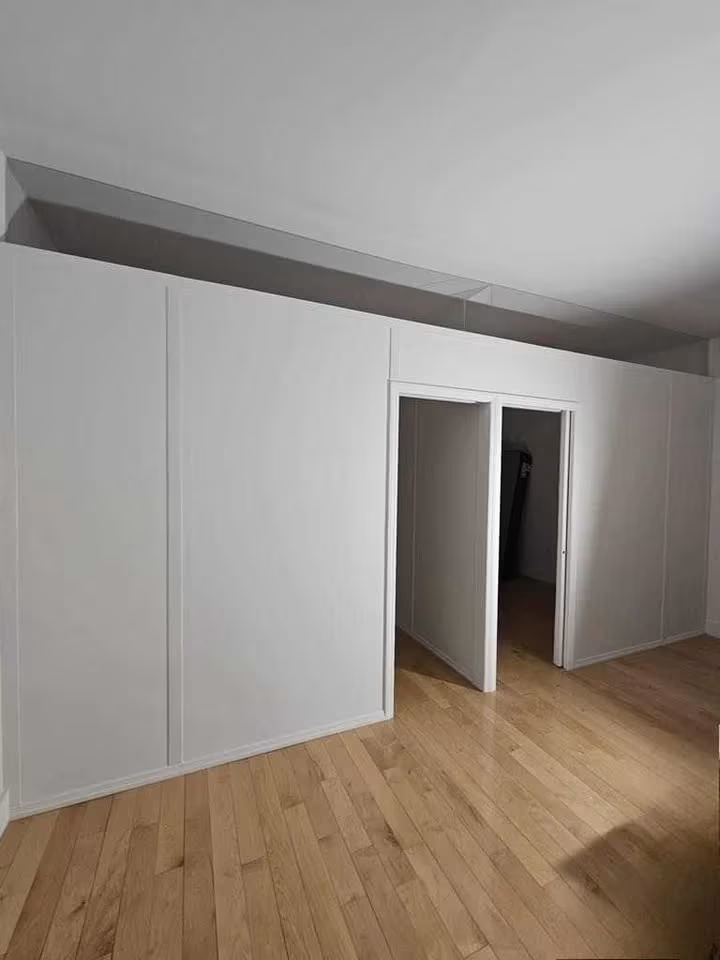
Key Factors Affecting the Cost of Flex Walls
1. Material Choice
Flex walls come in a variety of materials, and the material you choose can greatly impact the price. Common materials for flex walls include:
- Fabric: The least expensive option. Fabric-based partitions are lightweight and flexible but offer less soundproofing and privacy. Prices can range from $50 to $500 per unit.
- Glass: Glass flex walls provide a sleek, modern look and allow for transparency between spaces. These tend to be pricier due to the cost of glass and the framing system. Expect to pay anywhere from $500 to $3,000 or more for a glass partition system.
- Modular Panels: These are pre-fabricated panels that can be adjusted to create different configurations. They are often used in commercial or office settings for their flexibility and ease of installation. Prices for modular systems generally range from $1,000 to $5,000 depending on size and complexity.
- Wood or Acoustic Panels: Flex walls made of wood or acoustic materials are designed for privacy and sound insulation. They tend to be more expensive, with prices ranging from $1,500 to $6,000 or more.
2. Size of the Space
The larger the area you need to partition, the more materials will be required, thus increasing the overall cost. The cost per square foot for flex walls can range from $15 to $50 or more, depending on the material and customization options.
3. Type of System
- Manual Systems: Some flex walls are manually operated, where you physically move panels or sliding doors into place. These systems are generally cheaper but may require more physical effort to adjust. Prices can range from $500 to $2,500 for smaller systems.
- Automated or Motorized Systems: Higher-end flex walls can come with motorized systems that allow the panels to move automatically with the push of a button. These systems are more expensive due to the added technology, with prices ranging from $2,500 to $10,000 or more for larger setups.
4. Soundproofing
If sound insulation is a priority for your space, such as in offices or conference rooms, adding soundproofing features will increase the cost of the flex wall. Soundproof flex walls typically start at around $2,000 and can go up to $10,000 for larger, high-performance systems.
5. Customization and Features
If you want a more customized or feature-rich flex wall (such as custom designs, colors, built-in lighting, or special finishes), this can significantly increase the cost. Customization costs can range from $500 to $3,000 or more, depending on the level of detail and the design options selected.
Average Cost Range for Flex Walls
- Basic Fabric or Curtain Flex Walls: $50 to $500
These are generally the most affordable option and are suitable for light partitioning or temporary use. Fabric walls are easy to install and are ideal for quick and inexpensive solutions. - Modular Panel Systems: $1,000 to $5,000
Modular flex wall systems allow you to adjust the layout easily. These are a great option for commercial spaces like offices or conference rooms where you may need frequent reconfigurations. - Glass Flex Walls: $500 to $3,000+
Glass walls provide a modern, sophisticated look while allowing light to flow between spaces. These are more costly than fabric or modular systems but can add a sense of openness and style. - Wood or Acoustic Flex Walls: $1,500 to $6,000+
Wooden or acoustic partitions are excellent for noise reduction and privacy. These systems are typically more expensive but are ideal for offices or home offices where sound control is essential. - Motorized or Automated Systems: $2,500 to $10,000+
Motorized systems offer the highest level of convenience and technology. These systems can be controlled with the push of a button and are typically used in high-end commercial spaces or large homes with a need for frequent layout changes.
Benefits of Flex Walls
- Adaptability: Flex walls are perfect for spaces that require frequent changes in layout. They offer the flexibility to adapt to different needs and functions.
- Space Optimization: Flex walls allow you to maximize the use of your space without committing to permanent construction. This makes them ideal for temporary offices, event venues, or shared living spaces.
- Easy Installation: Unlike traditional walls, flex walls are often easier and quicker to install. Many systems don’t require extensive construction work, making them a convenient option for those looking to reconfigure a space without major disruptions.
- Minimal Damage: Since they’re designed to be movable, flex walls cause minimal damage to the surrounding area. Most systems don’t require holes in the wall or permanent fixtures, making them ideal for rented properties or temporary setups.

Summary
The cost of a flex wall varies greatly depending on the material, size, installation method, and additional features you require. If you’re looking for an affordable and simple partition, fabric-based walls or modular panel systems could be an excellent choice, with prices starting at around $50 and going up to $5,000 or more for higher-end options. Glass, wood, and automated systems can be more expensive but offer additional functionality, style, and convenience.
Ultimately, the right choice for your space will depend on your budget, aesthetic preferences, and the specific needs of the space you’re working with. Whether you’re creating an open-concept office or simply want to partition a room for a short-term event, flex walls provide a versatile and cost-effective solution.