
How Much Does It Cost to Install a Temporary Wall?
When it comes to maximizing space or improving the functionality of a room, temporary walls can be a game-changer. Whether you’re looking to create a new office space, partition a room, or add privacy in a shared living environment, a temporary wall offers a flexible and affordable solution. But before you start putting up those partitions, it’s important to understand the costs involved in installing a temporary wall.
What Is a Temporary Wall?
A temporary wall is a non-permanent structure that divides a space into smaller sections. Unlike permanent walls that require significant construction and permits, temporary walls can often be installed without major renovations. These walls are typically made from lightweight materials such as drywall, wood framing, or pre-fabricated panels. They are commonly used in apartments, offices, or rental spaces where tenants want to reconfigure their layout but do not have the authority or desire to make permanent changes.
Factors That Affect the Cost of Installing a Temporary Wall
The price to install a temporary wall can vary depending on several factors. Here are some key considerations:
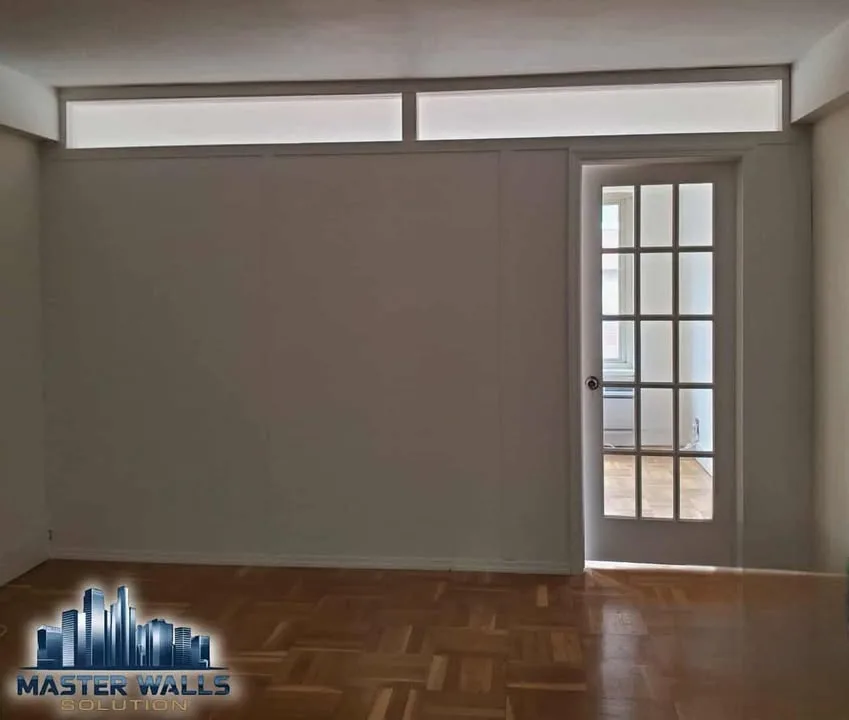
1. Materials Used
The material you choose for your temporary wall plays a significant role in the overall cost. The most common materials for temporary walls include:
- Drywall: This is one of the most popular and affordable options. It provides a sturdy and clean finish but requires framing and finishing, which can increase costs.
- Wood Panels: Wood offers a more natural aesthetic and can be used for more decorative or rustic designs. However, wood panels tend to cost more than drywall.
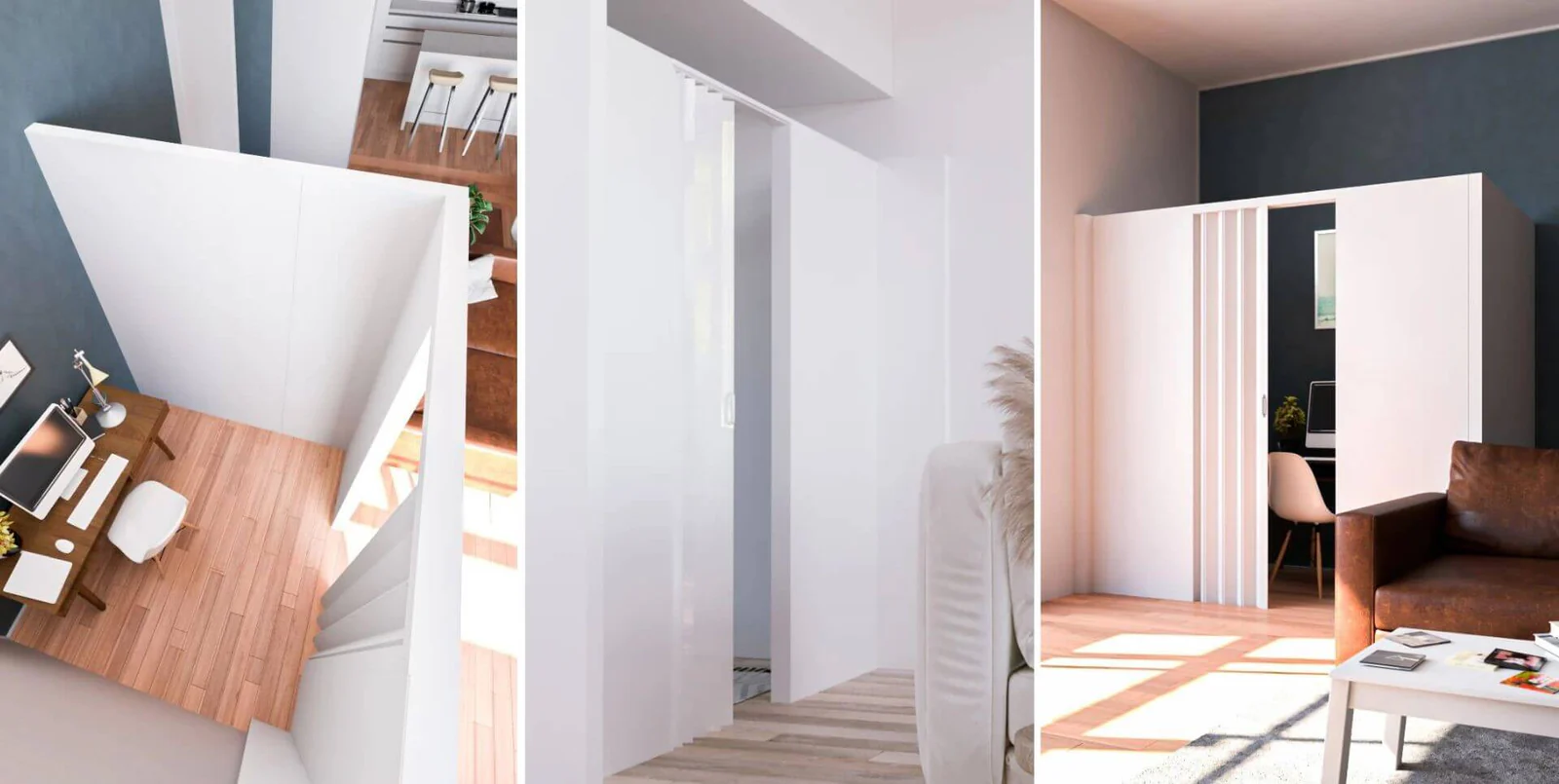
- Modular Walls: Pre-fabricated modular walls are often the most expensive option but come with the benefit of being the easiest and quickest to install. These walls can be taken down and reused, making them ideal for temporary use.
- Fabric Walls: For an even less permanent solution, fabric walls can be an affordable option. They are lightweight and easy to install but may not offer as much soundproofing or privacy.
2. Size and Complexity of the Wall
The cost of the wall will also depend on how large the space is that you want to partition. A simple, small temporary wall might cost significantly less than a larger structure that requires additional framing or specialized features like insulation or soundproofing.
3. Installation Method
Some temporary walls can be installed by DIY enthusiasts, while others require professional help. Hiring a contractor will increase the cost, but it guarantees that the wall will be installed correctly, especially for complex designs. On the other hand, if you’re comfortable with DIY, you can reduce costs by opting for a self-installation, particularly for modular walls or fabric walls.
4. Location
Costs can vary depending on where you live. Cities with a higher cost of living, such as New York or San Francisco, will likely have higher labor rates and material costs than more rural areas. Always consider your local market when budgeting for a temporary wall.
5. Additional Features
If you need additional features such as doors, windows, or soundproofing, these will increase the overall cost. While basic temporary walls may just require a simple partition, adding doors, windows, or extra insulation will push the price up.
Typical Cost Range for Installing a Temporary Wall
On average, here’s what you can expect to pay for the installation of a temporary wall:
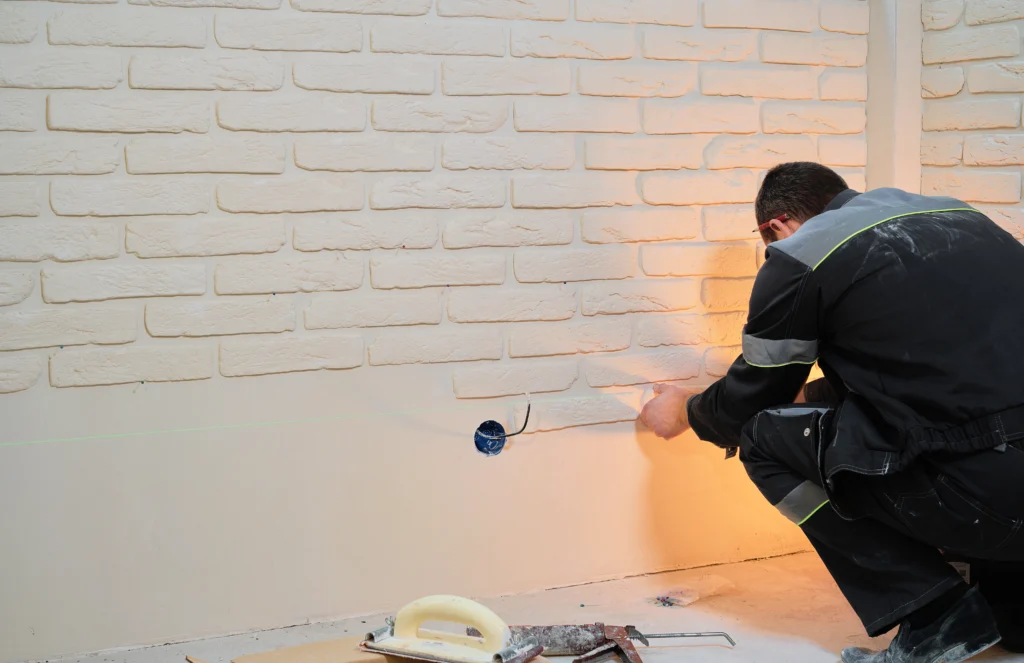
- DIY Drywall or Wooden Partition: $100 to $500 If you’re going the DIY route with basic drywall or wooden materials, you may only pay for materials, which can range from $100 to $500 depending on size and materials. The cost for drywall can be as low as $1 to $3 per square foot, while wood can run around $5 to $10 per square foot.
- Professional Installation of Drywall or Wood: $500 to $1,500 Hiring professionals for a basic drywall or wooden partition will add to the cost due to labor and installation fees. Professional drywall installation typically costs between $1 and $3 per square foot, but this can be higher in areas with more expensive labor costs.
- Modular or Pre-fabricated Walls: $1,000 to $3,000+ Modular walls, which are pre-built and can be assembled quickly, are generally priced higher due to their convenience and ease of installation. These are ideal for temporary use in offices or rental properties, and can range from $1,000 to over $3,000 depending on the size and complexity of the design.
- Fabric or Curtain Walls: $50 to $500 For those looking for a less permanent and more flexible solution, fabric or curtain walls are the most affordable option, with costs starting as low as $50 for a simple installation. More elaborate setups or those requiring additional soundproofing can cost upwards of $500.
Benefits of Installing a Temporary Wall
- Flexibility: Temporary walls can be removed and reconfigured as needed, making them ideal for spaces that require frequent changes.
- Affordability: Compared to the cost of a full renovation, installing a temporary wall is a much more budget-friendly option for dividing a space.
- No Permits Needed: Because temporary walls are non-permanent, they typically don’t require building permits, which simplifies the installation process.
- Minimal Disruption: Installation is usually quick, causing minimal disruption to your daily life or business operations.
Summary
The cost of installing a temporary wall depends largely on the materials you choose, the size of the space, whether you hire a professional, and the features you need. For a simple and budget-friendly solution, DIY drywall or fabric walls can be as affordable as $100 to $500. If you’re looking for something more professional or durable, the price can rise to $1,500 or more for a custom installation.
Whether you’re partitioning a room for a new office or just need more privacy in your living space, temporary walls offer a flexible, cost-effective solution. Take your time to assess your needs and your budget, and you’ll be able to create the perfect temporary partition for your space.