
What Can Be Used as a Temporary Wall?
Temporary walls are becoming an increasingly popular choice for individuals and businesses that need to divide spaces without committing to permanent construction. Whether you’re renting a property, working in an office, or simply need a quick way to create separate spaces in a shared area, temporary walls offer a flexible, cost-effective solution. They can provide privacy, soundproofing, and even aesthetic benefits without the expense and hassle of traditional walls. But with so many options available, you may wonder: What can you use as a temporary wall?
In this blog, we will explore a variety of materials and options you can use to create temporary walls, including their advantages, disadvantages, and tips for installation. We’ll also dive into the factors to consider when choosing the right temporary wall for your needs, whether you’re dividing a room, creating a private office, or adding a partition in a shared living space.
Why Use a Temporary Wall?
Before diving into the materials, let’s first examine why someone might opt for a temporary wall. Traditional walls are typically expensive and time-consuming to install, and they often require permits. Temporary walls, on the other hand, are affordable, fast to set up, and can be removed without leaving any permanent alterations to the structure of the room. Some common reasons for using temporary walls include:
- Privacy: In shared spaces like apartments or dorms, a temporary wall can create personal space when you don’t have a room of your own.
- Space Division: In open-plan offices or living rooms, temporary walls can divide large spaces into more manageable sections.
- Flexibility: Temporary walls can be installed and removed as needed. This is especially useful for renters who need to make temporary adjustments but can’t make permanent changes.
- Soundproofing: For those who work from home or need quiet spaces, temporary walls can reduce noise between rooms.
- Aesthetic Appeal: A temporary wall can help with décor by creating defined spaces within a room, offering a visually appealing look without construction work.
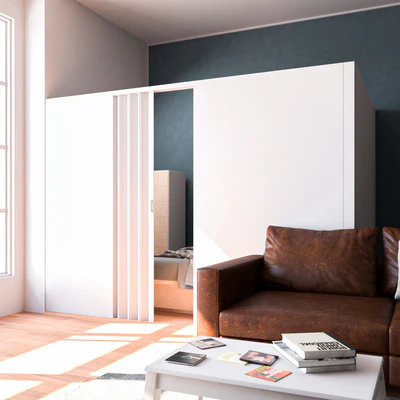
Types of Materials for Temporary Walls
The material you choose for a temporary wall will depend on several factors, including budget, installation time, durability, and the specific function of the wall. Below, we’ll take a look at the various materials you can use to create temporary walls, from fabric options to solid panels.
1. Fabric or Curtains
One of the simplest and most affordable options for a temporary wall is using fabric or curtains. This solution is ideal for people who need to create a divide between spaces without installing anything permanent.
Advantages
- Affordability: Curtains or fabric are generally the least expensive material for creating temporary walls.
- Easy Installation: With a curtain rod or tension rods, you can easily install a fabric wall yourself without needing any professional help. Simply hang curtains to separate spaces.
- Flexibility: Curtains can be drawn back when you no longer need the partition, and they can be washed and changed easily for a fresh look.
- Lightweight: Fabric doesn’t add significant weight or structure to a room, which is useful for temporary applications.
Disadvantages
- Lack of Soundproofing: Fabric is not very effective at soundproofing. While it may block visual distractions, it won’t keep sounds from traveling.
- Limited Privacy: Depending on the thickness of the fabric, curtains may not provide enough privacy in a shared living space.
Best For:
- Rooms with shared spaces where privacy is not a top priority.
- Those on a tight budget or needing a temporary solution that can be easily removed.
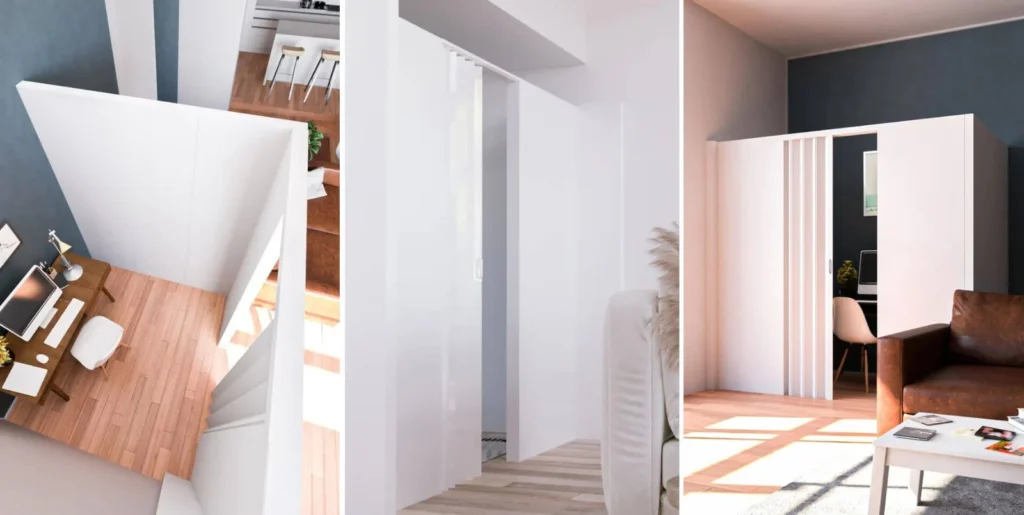
2. Folding Screens
Folding screens are an elegant way to partition a room. These screens are usually made of a wooden, metal, or fabric frame with panels that fold out to create a barrier. They are available in a variety of designs, from simple and modern to intricate, decorative styles.
Advantages
- Portability: Folding screens are easy to move, making them perfect for anyone who needs a temporary partition that can be relocated or stored away.
- Aesthetic Appeal: Screens come in various styles, including traditional Asian-inspired designs, minimalist modern, and industrial looks, making them a stylish addition to any room.
- No Installation Required: They simply fold out and stand on their own, offering a non-invasive partition option.
- Quick Setup: They are incredibly easy to set up and can be placed in almost any room configuration.
Disadvantages
- Limited Coverage: Depending on the size and number of panels, folding screens may not cover large spaces or provide as much privacy as other materials.
- Instability: If the screen is not securely positioned, it might fall over, especially in high-traffic areas.
Best For:
- Small apartments, studios, or spaces where portability and aesthetics are important.
- People who need to create a visual barrier rather than a soundproof one.

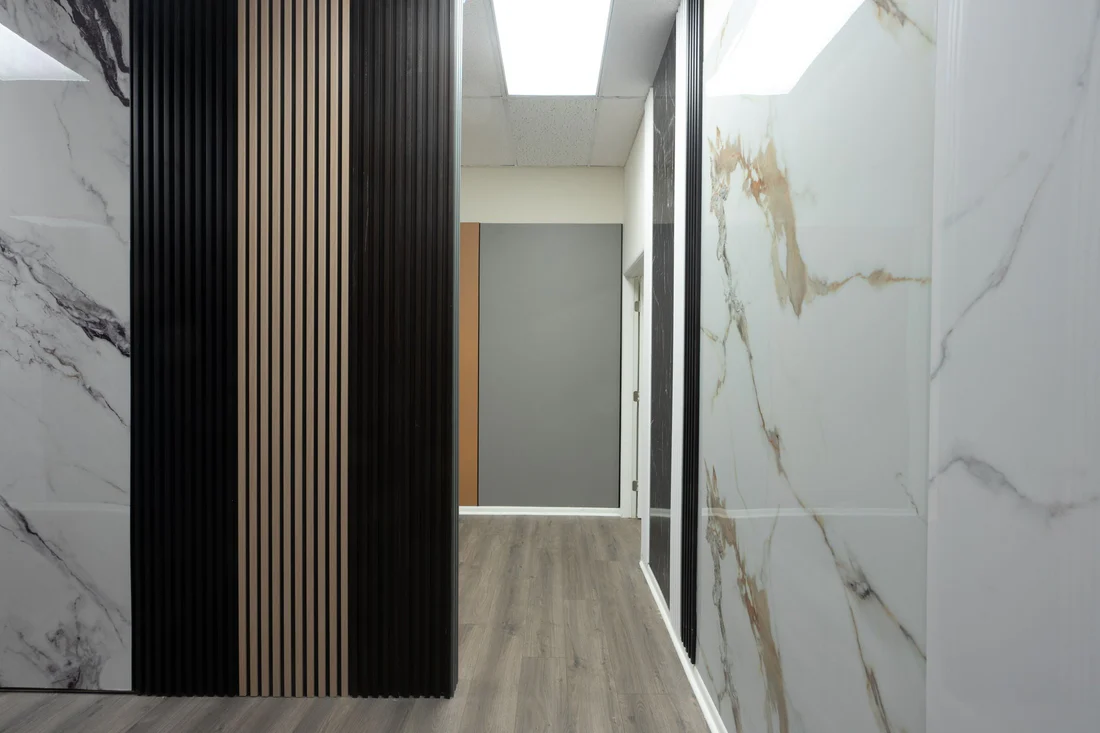
3. PVC Panels
PVC (polyvinyl chloride) panels are a lightweight, durable option for creating temporary walls. PVC panels come in sheets or tiles that can be connected to form a barrier.
Advantages
- Easy Installation: PVC panels can be mounted on frames or stand freely as panels to create an instant partition. They are relatively easy to install with minimal tools.
- Durability: PVC is resistant to moisture, making it ideal for areas where you might have humidity or spills (like basements or kitchens).
- Maintenance: They are easy to clean and maintain, which is beneficial for spaces that see high traffic.
Disadvantages
- Limited Insulation: PVC panels offer very little insulation against sound or temperature, making them less effective than some other options.
- Aesthetics: While functional, PVC panels can appear utilitarian and may not suit all decor styles.
Best For:
- Temporary walls in utilitarian spaces like offices, storage rooms, or laundry areas where style is not a priority.
- People who need an easy-to-install, durable material.
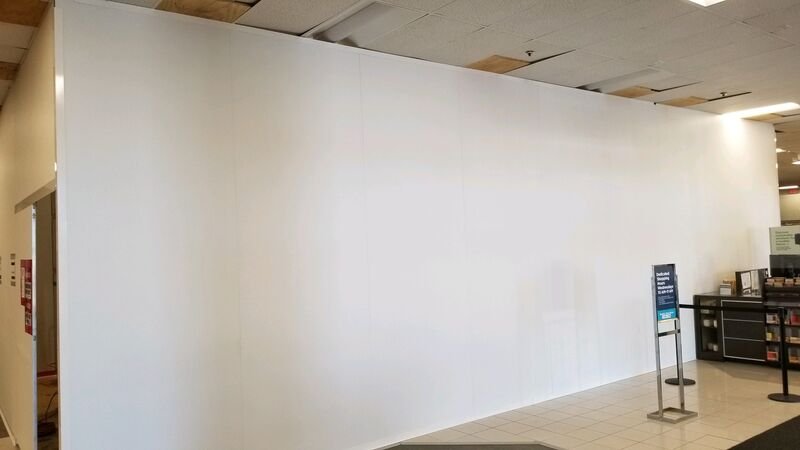
4. Drywall or Plywood
For a more solid temporary wall, drywall or plywood is a common choice. These materials are used in more advanced applications, where a stronger barrier is needed.
Advantages
- Durability: Drywall and plywood are sturdy materials that offer better soundproofing and insulation than lighter materials like fabric or PVC.
- Structure: These materials can create a more permanent-feeling division without being a permanent structure.
- Customizable: Drywall can be painted and decorated to match your existing walls, and plywood can be stained or treated for a rustic look.
Disadvantages
- Installation Time: Unlike fabric or folding screens, drywall or plywood requires more time and tools to install. This option is better suited for someone willing to invest the effort into a semi-permanent solution.
- Higher Cost: Compared to lighter, less durable materials, drywall and plywood can be more expensive, especially if professional help is required.
- Removal: While drywall can be removed, it often causes damage to the walls behind it, which may not be ideal for renters.
Best For:
- People who need a more solid wall that still maintains some flexibility for temporary use.
- Those who need better soundproofing and privacy.
5. Bookshelves or Storage Units
An innovative and practical solution for dividing space is using large bookshelves or storage units as temporary walls. These can be used to separate areas without the need for additional construction.
Advantages
- Functionality: In addition to serving as a wall, bookshelves provide extra storage for books, decor, or even kitchen items, making them a multi-purpose solution.
- No Installation: Simply place the bookshelf where you want to create a partition.
- Style: Bookshelves and storage units come in various styles and materials, allowing you to add a functional, stylish piece to your room.
Disadvantages
- Limited Coverage: If you need to block out sound or light completely, bookshelves may not provide sufficient coverage.
- Stability: In areas with children or pets, ensure that the bookshelf is securely anchored to the wall to prevent accidents.
Best For:
- Those who need a partition in an office, home library, or living room where extra storage is also beneficial.

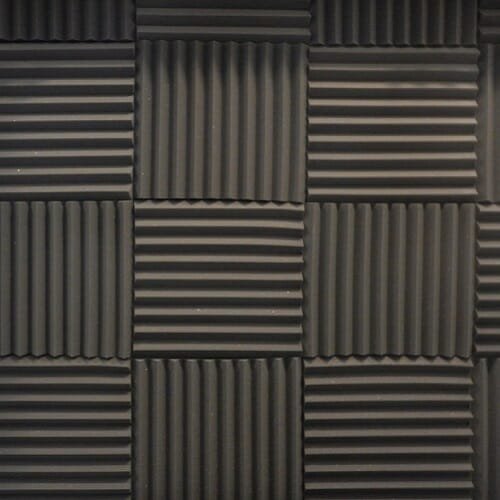
6. Foam Panels
Foam panels, typically used for insulation and soundproofing, can also serve as temporary walls. These panels are lightweight and easy to work with, making them a good option for creating noise barriers in home offices or bedrooms.
Advantages
- Soundproofing: Foam panels provide effective soundproofing, which is beneficial if you need to block out noise between rooms or apartments.
- Lightweight and Easy to Install: These panels can be installed using adhesive, hooks, or a frame system, which makes installation quick and easy.
- Affordability: Foam is generally a low-cost material, which makes it an accessible choice for those on a budget.
Disadvantages
- Aesthetic Appeal: Foam panels are not as visually appealing as other materials, and their bulky appearance might not fit with your room’s décor.
- Limited Durability: Over time, foam panels can wear out or lose their soundproofing qualities.
Best For:
- Home offices or bedrooms where soundproofing is crucial.
- People seeking a budget-friendly solution for temporary noise reduction.
Conclusion
When choosing the right material for a temporary wall, it’s important to consider your specific needs: privacy, soundproofing, ease of installation, aesthetics, and budget. Each option comes with its own set of benefits and challenges, so you can choose the best solution based on the space you’re working with.
From lightweight curtains and folding screens to solid drywall and plywood options, the possibilities are endless. Whether you’re dividing a room for privacy, creating a home office, or just need a temporary barrier, there’s a solution that works for you. Don’t be afraid to experiment with different materials, as many temporary walls can be removed just as easily as they’re installed.