
what can be used for temporary walls
When installing a temporary wall, you can use a variety of materials depending on your needs, aesthetic preferences, and the level of privacy or soundproofing you require. Here’s a breakdown of the most common options for materials that can be used to create temporary walls:
1. Drywall
Drywall is one of the most popular and cost-effective materials used for temporary walls. It’s sturdy, easily accessible, and provides a clean, finished look.
- Pros:
- Provides privacy and some soundproofing.
- Easy to paint and finish.
- Affordable and available at most hardware stores.
- Provides privacy and some soundproofing.
- Cons:
- Requires framing, which can increase the complexity.
- Not easily movable once installed.
- Requires framing, which can increase the complexity.
Best for: Long-term temporary walls where a solid barrier is needed.

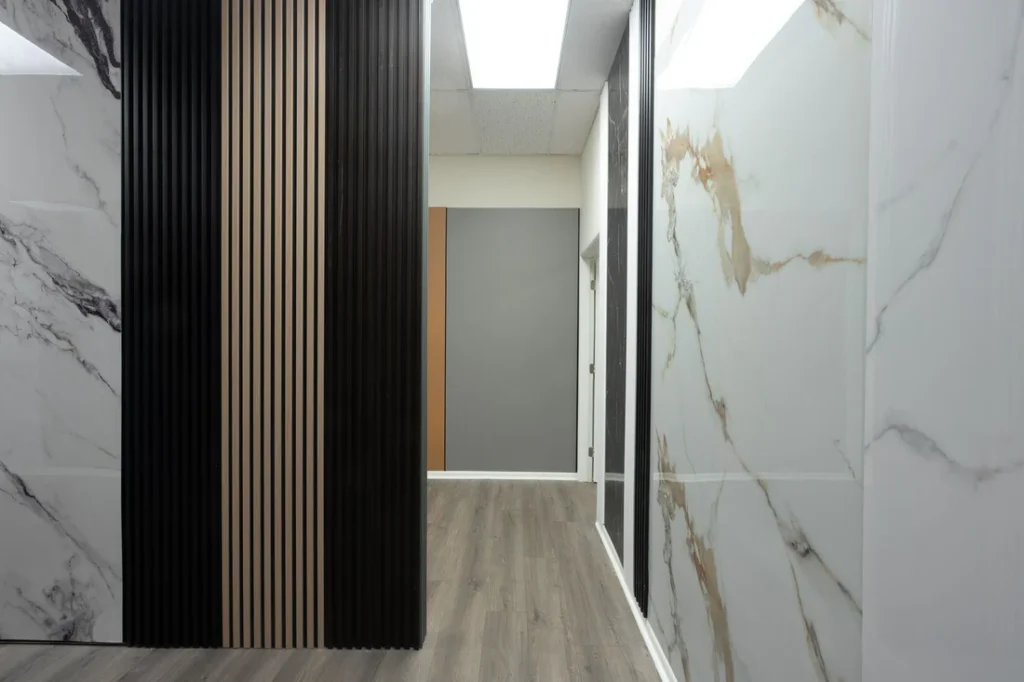
2. Wood Panels or Plywood
Wood panels or plywood are another good option for a temporary wall. They can be cut to size and used to create a partition.
- Pros:
- Flexible design options (can be painted or finished).
- Sturdy and more durable than fabric or lightweight materials.
- Flexible design options (can be painted or finished).
- Cons:
- Heavier than drywall or fabric.
- May require framing or support for installation.
- Can be expensive compared to other materials.
- Heavier than drywall or fabric.
Best for: A more durable, rustic, or custom-looking temporary wall.
3. Modular Partition Systems
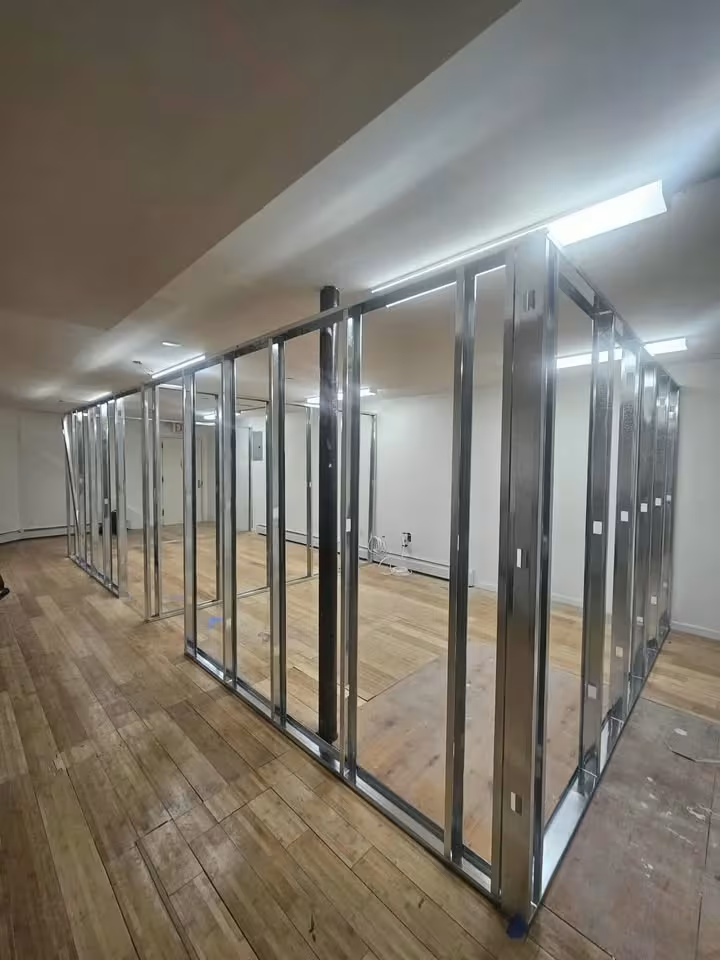
Modular walls, also known as movable walls or partition panels, are pre-fabricated systems that can be easily assembled and disassembled. They are often used in office settings or commercial spaces.
- Pros:
- Extremely flexible and movable.
- Can be adjusted in size and configuration.
- Available in various materials, including glass, wood, or fabric.
- Can include features like doors or windows.
- Extremely flexible and movable.
- Cons:
- More expensive than drywall or fabric walls.
- Requires professional installation in some cases.
- More expensive than drywall or fabric walls.
Best for: Commercial offices, event spaces, or temporary home offices.
4. Fabric or Curtain Walls
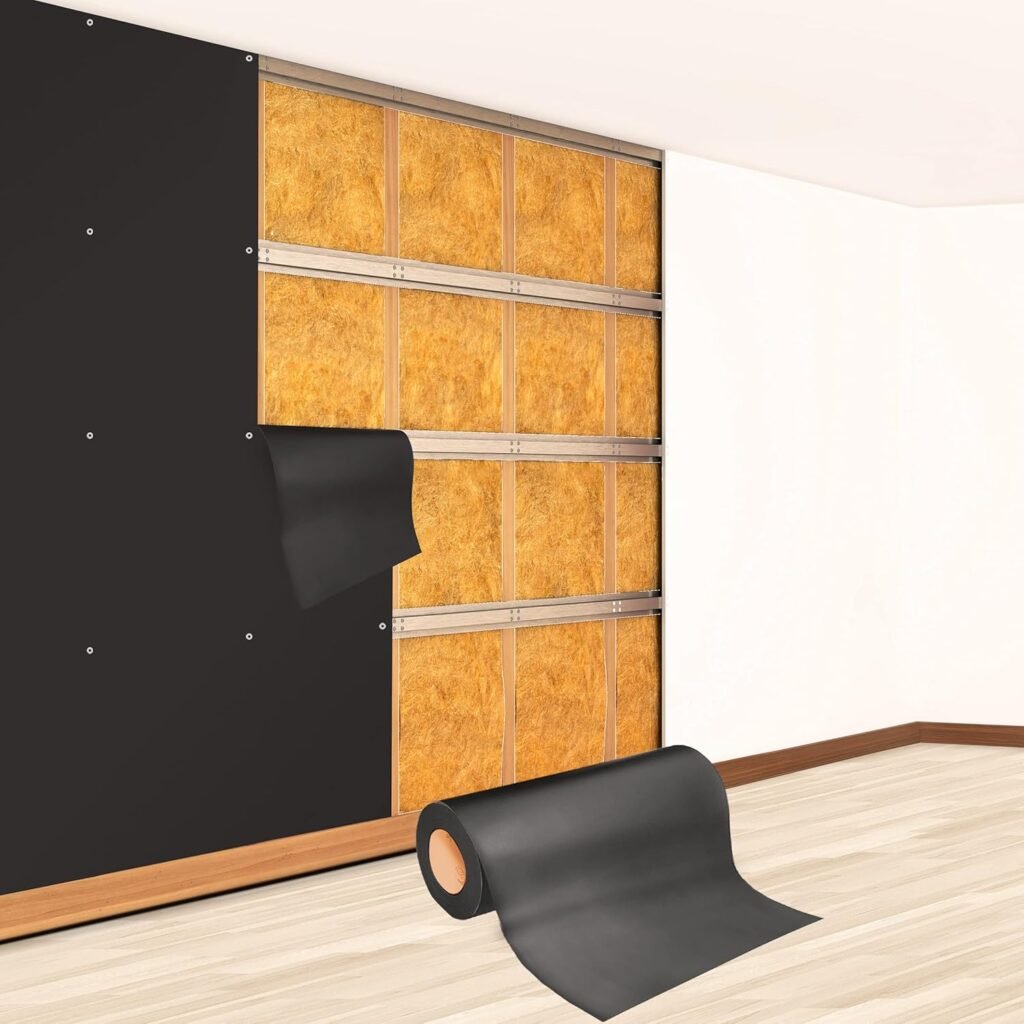
Fabric or curtain walls are one of the simplest and least expensive ways to create a temporary partition. These can be as simple as hanging curtains or drapes to divide a room.
- Pros:
- Inexpensive and easy to install.
- Lightweight and flexible.
- Can be removed or reconfigured quickly.
- Inexpensive and easy to install.
- Cons:
- Offers little soundproofing or privacy.
- May not be as visually appealing as solid walls.
- Not ideal for creating a completely enclosed or secure space.
- Offers little soundproofing or privacy.
Best for: Temporary partitions where privacy is not a priority (e.g., creating separate areas in shared spaces).
5. Folding or Accordion Walls
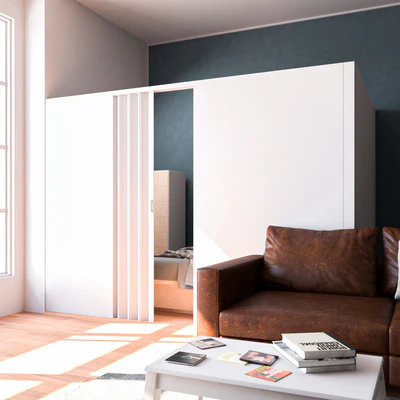
Folding or accordion walls are made of hinged panels that can fold up for easy storage when not in use. These walls can be made of various materials, such as wood, vinyl, or fabric.
- Pros:
- Easy to fold and store when not needed.
- Flexible and can be adjusted to different sizes.
- Easy to fold and store when not needed.
- Cons:
- May not provide complete privacy or soundproofing.
- Can be more expensive than fabric walls.
- May not provide complete privacy or soundproofing.
Best for: Temporary dividers in spaces that need to be reconfigured quickly, such as conference rooms, classrooms, or home offices.
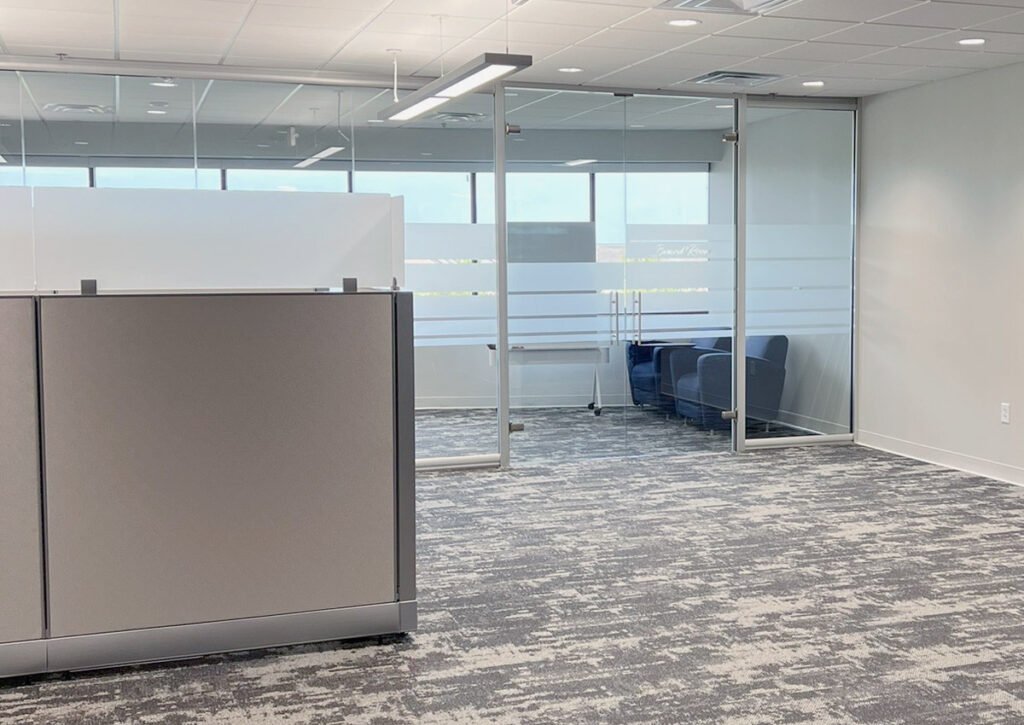
6. Glass Panels
Glass walls offer a sleek, modern look while still providing a visual separation between spaces. They’re often used in commercial settings but can also be effective in homes.
- Pros:
- Offers a clean, modern aesthetic.
- Can help create a sense of openness while still dividing spaces.
- Provides some soundproofing (depending on thickness).
- Offers a clean, modern aesthetic.
- Cons:
- More expensive than drywall or fabric options.
- Less privacy than opaque materials.
- More expensive than drywall or fabric options.
Best for: Offices, modern homes, or spaces that require light and visibility while still needing a separation.

7. Cubicle Systems
In office environments, cubicle-style partitions can be used to divide spaces. These are often pre-fabricated systems made of fabric-covered panels or other lightweight materials.
- Pros:
- Easy to install and adjust.
- Often includes built-in features like shelving or privacy panels.
- Can be reconfigured as needed.
- Easy to install and adjust.
- Cons:
- May not be as sturdy as other options.
- Offers limited privacy and soundproofing.
- May not be as sturdy as other options.
Best for: Office environments or temporary workspaces.
8. Bookshelves or Storage Units
Using large bookshelves or storage units as temporary walls is a functional and stylish way to divide a room. These items can act as partitions while also serving as storage.
- Pros:
- Dual function (storage and partitioning).
- Can be easily moved or reconfigured.
- Offers a visually appealing option for dividing spaces.
- Dual function (storage and partitioning).
- Cons:
- Provides minimal privacy or soundproofing.
- May not offer a clean aesthetic, depending on the style of the furniture.
- Provides minimal privacy or soundproofing.
Best for: Living rooms, home offices, or bedrooms where storage is also needed.

9. Plastic or Vinyl Sheets
In some cases, plastic or vinyl sheets can be used as a temporary wall material. These are especially useful for areas where full coverage is needed but without permanence.
- Pros:
- Inexpensive and easy to install.
- Can provide some privacy and dust protection.
- Water-resistant, making them good for specific environments (e.g., kitchens, garages).
- Inexpensive and easy to install.
- Cons:
- Not aesthetically appealing for living spaces.
- Not durable or stable for long-term use.
- Not aesthetically appealing for living spaces.
Best for: Temporary uses such as in construction sites or for privacy during events.
10. Hanging Boards or Panels
You can hang large boards or panels from the ceiling (using a suspension system) to create a temporary wall. These can be made from fabric, wood, or plastic.
- Pros:
- Easy to install without permanent modifications to the walls.
- Can be moved or adjusted as needed.
- Easy to install without permanent modifications to the walls.
- Cons:
- Requires a ceiling anchor point.
- Offers limited soundproofing or privacy.
- Requires a ceiling anchor point.
Best for: Offices, event spaces, or homes where flexibility is needed.
Conclusion
The best material for a temporary wall depends on your needs, budget, and the type of space you’re working with. For maximum privacy and soundproofing, drywall, wood panels, or glass partitions may be ideal. For a budget-friendly or quick solution, fabric walls or modular systems offer flexibility and ease of installation. Remember to consider factors such as ease of installation, durability, aesthetics, and whether or not the wall needs to be movable or removable.